How do you winterize Gaillardia?

Emily Wilson
Updated on May 21, 2026
- Planting your blanket flower correctly will help ensure its survival over the winter.
- Avoid planting blanket flowers in areas where the soil becomes soggy during the winter. Soggy soils can lead to root or crown rot.
- Allow your blanket flower to reseed itself to eliminate the need to winterize the parent plant.
.
Keeping this in consideration, how do you prepare Gaillardia for the winter?
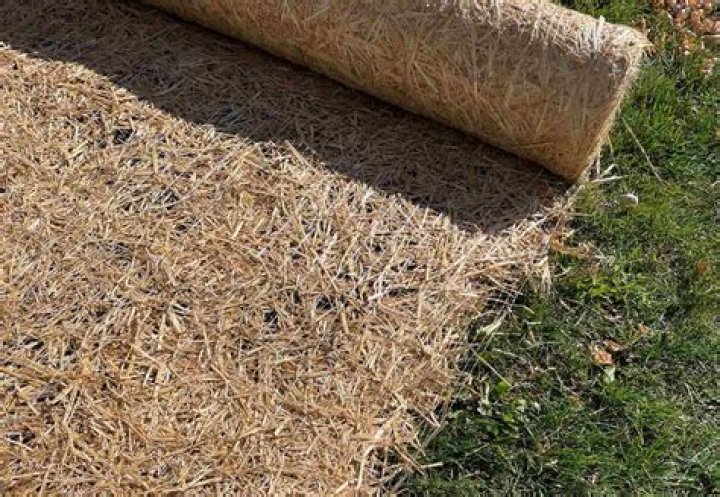
In warmer climates, blanket flowers in winter are allowed to continue to grow and add interest to the garden just with their foliage. In cooler climes, the best bet is to cut back the spent flowers and give the plant light mulch. By light, I mean one inch of an organic material.
Secondly, does Gaillardia come back every year? Most commonly, the flowers are yellow with red tips. Depending on cultivar (cultivated variety), gaillardia may be a perennial, coming back each year. They're generally short-lived (often only lasting two years), while some species are annuals.
Consequently, do you cut back Gaillardia?
Cutting Back Blanket flower benefits from more severe pruning in late summer if flowering begins to decline. The plants are more likely to require severe pruning if they aren't regularly deadheaded. Cut back the entire plant by about one-third its height after flowering decreases, using sharp pruning shears.
How do you care for Gaillardia?
When just planting, water frequently (every other day or so) until you see the flowers. Once established, Gaillardia is extremely drought tolerant. It can go without watering unless there are extremely hot and dry conditions, then it's best to water the bed once or twice per week. Avoid overwatering.
Related Question AnswersShould you cut back blanket flowers?
Deadhead plants regularly to encourage more flowering. Blanket flowers are often relatively short-lived. Cutting back clumps to 6 inches in late summer often increases their chances of winter survival. You can also keep your plants vigorous by dividing them every 2-3 years in spring or early fall.Is gaillardia a hardy?
Hardy, sun-loving and easy to keep it deserves a place in every garden. Plant Highlight; Gaillardia (Blanket Flower) Botanical and Common Name: Gaillardia is often called blanket flower. Hardiness Zones: Gaillardia is hardy zones 3-10. Plant Category: Gaillardia is an herbaceous perennial.How long do blanket flowers live?
Blanket flowers are perfect for less manicured gardens. Photo by Matt Suwak. Individual plants tend to survive for a period of two to three years before they die out.Should I cut back perennials in fall?
Fall pruning can be done if winter protection requires shortening stems. If perennial tops are removed in fall, will they die? No. Although it's recommended to leave them in place until spring, perennials will usually survive if cut back.How do you get seeds from blanket flowers?
The seeds germinate readily in spring whether you start them indoors or sow them directly in the garden.- Cut off the flower stalk once the petals drop off and the seed head begins to look brown and dry.
- Place the bag in a dry, well-ventilated area.
- Hold a seed head above a bowl.
- Store the seeds in a sealed jar or bag.
How do you separate blanket flowers?
Propagate it by division for true-to-form offspring.- Divide perennial blanket flower in the spring.
- Select a new site for your transplants.
- Water your blanket flower well 24 to 48 hours before dividing it.
- Moisten a sheet of peat moss and place it in the pail.
- Lift the blanket flower carefully.
How do you grow Gaillardia?
Gaillardia may be grown from seed sown directly in the garden in summer, or planted as a potted plant. Sowing Directly in the Garden: Direct sow in full sun in poor but well-drained soil after danger of frost. Remove weeds and work organic matter into the top 6-8 inches of soil; then level and smooth.When should you cut back plants for winter?
In the winter or early spring, inspect your tree to see where it needs cutting back. Take note of any branches that have grown over two feet during the season.When should hydrangeas be pruned?
In late winter or early spring, these shrubs can be cut all the way back to the ground. Smooth hydrangeas will produce much larger blooms if pruned hard like this each year, but many gardeners opt for smaller blooms on sturdier stems.What to do with perennials after they bloom?
Three reasons to cut back perennials after flowering- Promote more flowers. Herbaceous perennials that flower in early summer, such as hardy geraniums (pictured), alchemilla and stachys, can be cut to the base as soon as the main flush of blooms starts to fade.
- Extend the life of plants.
- Keep borders looking good.
What do you do with perennials in the winter?
- Dig up Bulbs. After the first frost has struck and foliage begins to yellow and die, cut back the foliage, dig, and store tender perennial bulbs such as dahlias and gladiolus that can't survive the winter in the ground in a cold climate.
- Water and Cut Perennials Back.
- Feed Plants.
- Mulch.
Does Gaillardia need full sun?
Gaillardia is a very easy plant to grow if you have the proper conditions (full sun and well-drained soil), it attracts pollinators, it blooms for a long season, it makes great cut flowers, there are a variety of bright cheerful colors and it is very low maintenance.How do you keep geraniums over the winter?
To overwinter geraniums in dormant storage, dig up the entire plant before frost and gently shake the soil from the roots. Place the plants inside open paper bags or hang them upside-down from the rafters in a cool, dark location for the winter. Ideally the temperature should be between 45-50 F.How do you divide perennials?
Follow these 6 steps to separate perennials, specifically daylilies.- First, gather your tools.
- Make sure the plants are well watered.
- Dig up your plant.
- Shake the soil off the roots.
- Pull or cut the plant apart to divide it.
- Replant each divided section.