How do you paint dripping paint?

William Brown
Updated on April 17, 2026
.
Keeping this in view, what kind of paint do you use for drip painting?
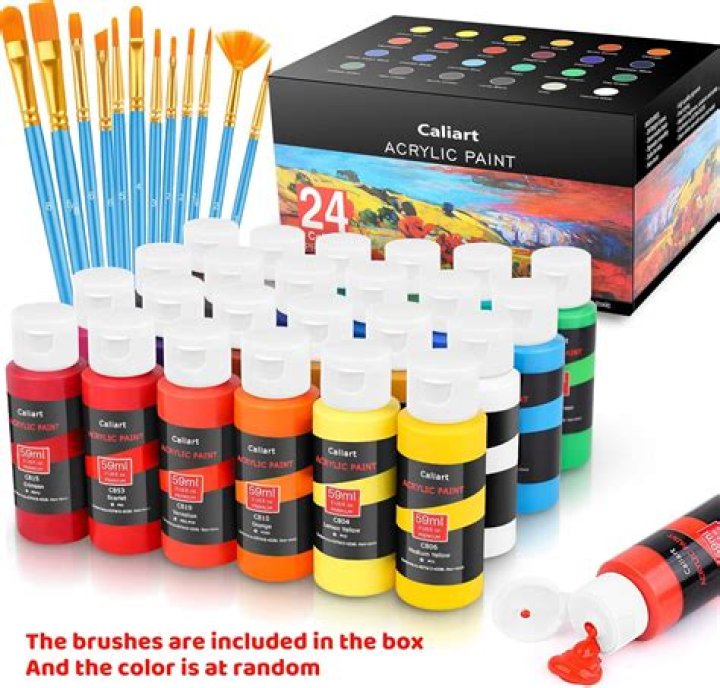
acrylic
Likewise, what are the techniques in painting? Here are seven essential painting techniques that will have you painting like a pro in no time.
- Underpainting. Work paint up from thin to thick, especially when using slow-drying paints.
- Blocking in.
- Building up texture.
- Dry brushing.
- Sgraffito.
- Glazing.
- Painting with mediums.
- 5 great tools for artists.
Consequently, how much water do I add to acrylic paint?
Adding up to 30 percent water to acrylic paint thins it but still allows it to coat a surface. Adding 60 percent or more water creates a watery paint application called a wash.
How do you liquify acrylic paint?
To thin acrylic paint, start by putting a small amount of paint on your palette. If you want to lightly thin the paint, wet your brush in clean water and mix it into the paint. If you want to significantly thin the paint, pour water into a container with the paint and use the brush to mix together.
Related Question AnswersWhat do you add to acrylic paint to pour it?
- Pour Painting Surface. What is the best surface for an acrylic pour painting?
- Gesso and Paint Brush. If you're using a canvas for your pour painting, you'll need a bottle of gesso.
- Paints for Pour Painting.
- Pouring Medium.
- 100% Silicone Oil.
- Plastic Beverage Cups.
- Wood Craft Sticks.
- Small Plastic Squeeze Bottles.
How do you paint with acrylic paint?
DIY | Hand Lettered + Painted Acrylic Wedding Signs- In Love With Acrylic. After making these signs, acrylic is my new favorite medium!
- Figure + Design + Print. The first step is figuring out what your sign will say.
- Measure + Tape.
- Measure + Tape.
- Trace Your Heart Out.
- Remove The Guides.
- Wet Wipe VS.
- Paint The Backside.
Does acrylic paint bleed?
You can use other types of paper, like watercolor paper, but you'll need to use a very thick paper, otherwise the acrylics will bleed through to the other side and/or the paper will buckle and warp. Those little bumps could get in the way when painting with acrylics.What is liquid acrylic paint?
Fluid acrylics are acrylic paints with a runny or thin consistency, designed to flow and spread easily without sacrificing color intensity. Fluid acrylics are ideal for pouring or dribbling paint, rather than applying it with a brush.How do you thin acrylic paint for pouring?
A great approach for thinning Heavy Body paints without a loss of film strength is to first mix a thin acrylic medium such as GAC 100 with water (1 part medium to 1.5 parts water, and then use this mixture to thin the paints as much as desired).Why is my spray paint can dripping?
If you can't see the former paint color showing through after your first coat, you are spraying on too much and this will lead to drips. Don't be afraid to let it take 2-4 thin, thin coats for complete coverage. Also, never let your hand stop in one area.How do you keep paint from dripping?
Does paint really need to drip? Avoid the painting mess using these 5 simple tips.- Invest in a good brush. The Brush is an important application tool that has two roles:
- Use a “Brush Pot”
- Store the brush properly.
- Don't overfill the tray.
- Be gentle with the roller sleeve.
Why does spray paint drip?
Step 1 - Apply Spray Paint Correctly The main thing that causes runs in spray paint is an incorrect application. In particular, applying too much will often cause runs or other problems. Unfortunately, it is easy for an inexperienced person to accidentally apply paint too heavily.How do you stop drips?
Some tips to stop drips are:- Faulty washers are often the culprit.
- Close the faucet tighter to stop the leak temporarily until you are ready to fix it.
- You can stop the sound of dripping water by tying a long string around the end of the faucet.
- For a washer type faucet, examine the stem.
How do you fix spray paint mistakes?
Fixing these mistakes is possible and involves removing the undesirable paint and reapplying.- Level the area with fine-grit sandpaper and buff with rubbing compound, if you must fix drippy sags and runs after the paint has dried.
- Remedy rough "orange peel" areas.
- Eradicate "fisheyes" from your paint surface.